Why QR Codes Are Quietly Transforming Wine Retail

QR codes used to be a novelty. Now they are part of everyday shopping, especially for younger customers who would rather scan a label than search for a website. In categories like wine, where shoppers feel overwhelmed, QR codes have become one of the simplest ways to give people clarity and confidence in the aisle.
And the numbers back it up. A majority of consumers have scanned a QR code in the past year, and younger shoppers use them weekly. People expect fast, mobile-friendly information that helps them make informed decisions, and they expect it in every category they interact with.
Wine is the perfect category for QR support
Few products are as information-heavy and confusing as wine. The bottle has limited space. Labels often prioritize design over clarity. Key questions rarely get answered in plain language until someone looks it up on their phone.
QR codes bridge that gap immediately. One scan can reveal:
-
Taste profile
-
Sweetness and body
-
Simple tasting notes
-
Food pairing ideas
-
Sustainability and ingredient information
-
Winemaker story
-
Ratings or social proof
-
Similar bottles if one is out of stock
This kind of guidance is exactly what shoppers say they want but cannot get from a physical label alone.
Younger shoppers expect mobile touchpoints
Gen Z and millennials shop with their phones. They compare prices, check reviews, and make decisions using all the digital cues they trust. When a wine bottle offers nothing but small print, shoppers feel lost. When it offers a QR link to clear, concise information, the experience feels modern and intuitive.
For many people, scanning a QR is easier than asking for help. It feels private, fast, and pressure-free.
QR codes reduce choice paralysis
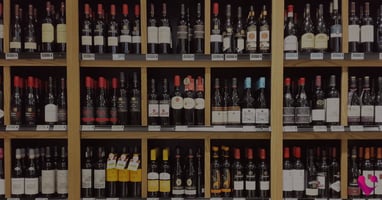
Wine aisles overwhelm people. Too many choices, not enough structure, and very little language that speaks to non-experts. QR-powered guides reduce that mental load. Shoppers understand what they are looking at. They know what they are comparing. They feel confident choosing something new.
This matters for revenue. When people feel confident, they are more likely to trade up, explore, and buy again.
Retailers can use QR codes far beyond the bottle
Shelf tags, end caps, gift displays, holiday assortments, and tasting stations all become more powerful when they include a quick digital entry point. Instead of static signs, retailers can offer dynamic recommendations, seasonal picks, and rotating curated sets that update without reprinting signage.
A QR code is not just a link. It is a doorway into a simpler shopping experience.
Where Vinity fits
Vinity gives retailers a plug-and-play system that turns QR codes into full wine experiences. Shoppers scan a bottle or shelf tag and get crisp, simple information that explains taste, pairing ideas, sweetness, body, and similar options. Retailers get analytics, clarity, and a way to support every customer even when staff are busy.
QR codes will not make people wine experts. They simply meet shoppers where they already are: on their phones, looking for confidence and clarity. Wine retail is finally catching up.