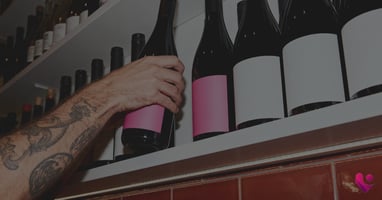

She’s standing in the wine aisle, quietly panicking. Somewhere between the rosé that looks too...
From Guessing to Guided: How Smart Retail Design Reduces Choice Overload
Retail has a choice problem. Not a lack of choice. Too much of it. Every time a shopper stands in front of a wall of similar products and cannot tell the difference between them, the retailer loses a sale. The shopper is not indecisive. The environment is not helping them make the decision they came to make.
This is especially true in categories like wine, where the product language is difficult, the visual cues are inconsistent, and the shopper’s confidence level is often low. But this challenge shows up in any category with crowded shelves and limited guidance. Beauty, supplements, home fragrance, craft beer, pantry goods. When the environment does not help the shopper move forward, they freeze or fall back on the one thing that feels familiar. The same product they always buy.
Choice overload creates hesitation, not conversion. Retailers who solve this win more baskets, more loyalty, and more shoppers who feel good about trying something new.
Why shoppers feel overwhelmed in the first place
People can only process so much information at once. Shelf layouts that rely on technical language, subtle differences, or insider knowledge force shoppers to do too much mental work. The more work required, the more likely they are to opt out.
Common triggers of choice paralysis include:
• Too many items with no clear organizing logic
• Signage that explains the product line, not the shopper’s problem
• Labels with beautiful design but no clear taste or use cues
• Inconsistent descriptions across brands
• Price points that do not match visual expectations
• No easy way to compare products quickly
Most shoppers do not want to become category experts. They want one thing. They want to feel sure. When retailers help them reach that feeling faster, everything improves.
Good retail design does not add information. It reduces noise.
The best retail environments guide shoppers without overwhelming them. They make the aisle feel intuitive, not academic. They shift from product centric layouts to shopper centric layouts.
This means:
• Grouping products by how people actually shop
• Clear visual cues that signal taste or benefit
• Short, friendly language that builds confidence
• Pathways that take shoppers from many options to a few great choices
Instead of a wall full of vague categories, retailers can create simple, relatable clusters like:
• Weeknight Reds
• Fresh Whites for Fish
• Dinner Party Picks
• Smooth Reds Under Twenty
• Wines That Impress Without Overthinking
These structures remove pressure. They give shoppers a sense of direction. They make it easier to start, which makes it easier to finish the purchase.
Digital guidance takes this even further
Once a shopper pulls out their phone in store, the physical shelf stops being the only source of information. Retailers lose control of the buying moment when shoppers rely solely on external apps, reviews, or price comparisons.
The smartest retailers bring that digital layer into their own ecosystem.
Adding QR codes to bottles or shelf tags is one of the simplest, most effective ways to do it. With one scan, shoppers get:
• Taste descriptions in plain language
• Sweetness and body levels
• Simple food pairing ideas
• Social proof and reviews
• Comparable alternatives if the item is out of stock
• Clear sustainability information
• Short videos or winemaker notes
This turns a static shelf into an active, helpful experience. It gives customers the exact clarity they need without asking staff to break away from other tasks.
Younger shoppers expect this level of support. Older shoppers are pleasantly surprised by it. Store teams love it because it reduces the pressure to be experts on every bottle.
Guided recommendations change the entire aisle
Even a short two question assistant that asks about taste and price can guide a shopper to a curated set of three to five strong picks. Not thirty bottles. Not hundreds. Just the right amount of structure.
Retailers who use guided journeys see benefits within weeks:
• Higher conversion rates
• Reduced time spent in the aisle
• Fewer abandoned purchases
• More willingness to try new products
• Higher average basket value
• Better alignment between shopper intent and final purchase
People do not want to scroll through long tasting notes or educational panels while standing in a grocery store. They want someone to point them toward the right choice. Digital guidance gives them that support without slowing them down.
Why this matters for wine retail and beyond
Wine is the most visible example of choice overload. But the same principles apply across retail. Shoppers do not want guesswork. They want clarity. They want validation. They want a path that feels personal without being complicated.
A well designed shelf plus a smart digital layer creates a buying experience that feels modern, confident, and enjoyable. It strengthens trust. It builds repeat customers. It makes the store feel like it understands what real shoppers need.
The shift is simple. The impact is enormous.
Guided retail design does not require a remodel. It does not require heavy hardware. It requires clarity. It requires understanding how shoppers think. And it requires giving them the tools to make decisions easily.
When retailers reduce choice overload, they do not just increase sales. They improve the shopper’s experience in a way that builds long term loyalty.
Modern shoppers want to explore. They just want to do it without feeling lost.
Good guidance turns the wine aisle, or any aisle, into a place where people discover new favorites instead of defaulting to old ones.